Patrick Symmes

Burma

June 18th, 2008

BURMA: Coming in the July issue of Outside.

The gone are not forgotten. The day after I left Burma, wrapping up an investigation of the country’s corrupt military government for Outside magazine, was the very day that Cyclone Nargis struck. Amid winds of 120-mph, a wave of storm-surge water 12-feet deep came ashore, drowning some 130,000 people.

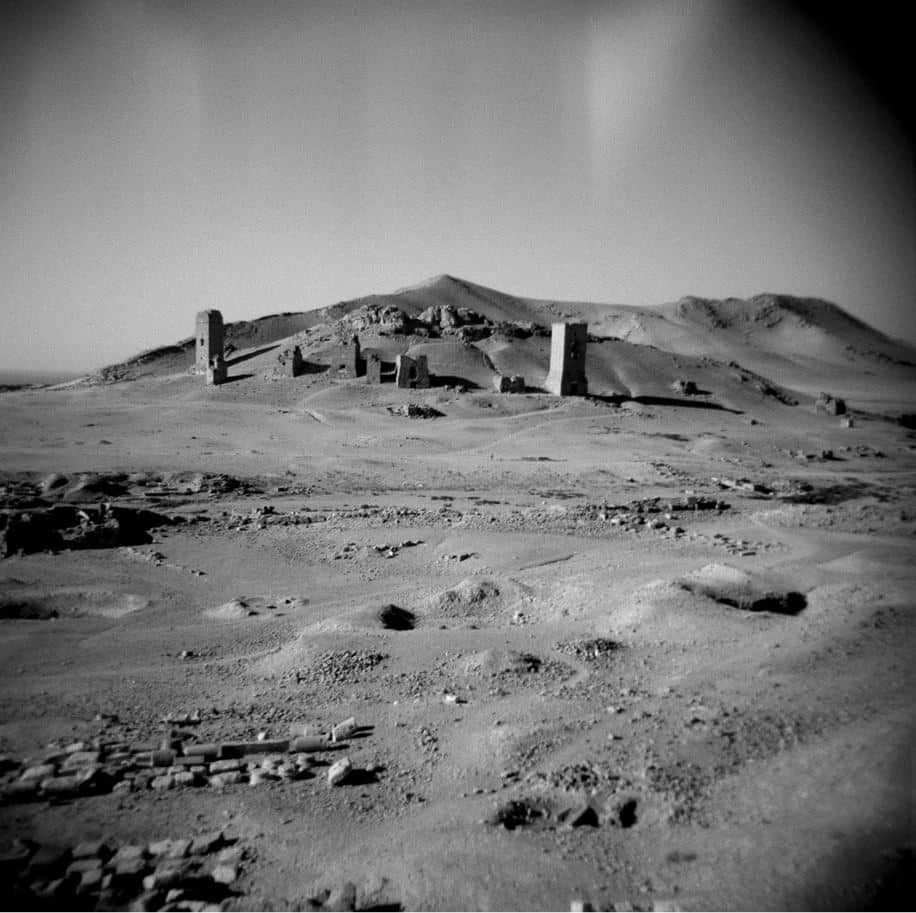
My article on the storm ranges from the junta’s creepy new capital, into volatile Buddhist monasteries, through ancient ruins and the worst comedy show in Asia. Read how the ordinary people of Burma were betrayed by their government long before Nargis struck, and why the inept generals are themselves the real cause of the disaster. Meanwhile the survivors are enduring in a country that amounts to an open prison.
We owe the victims some attention. Outside has made a heroic effort to get this story into print right away. With so much at stake, I broke my own speed record for writing a feature, a record which had stood for 14 years.

Rangoon Flood

Watch for the July 2008 Outside, including my photographs of Nargis striking Rangoon. The article and a slideshow from Outside.com will be posted here later.

New Work

March 26th, 2008

BOYS FROM DOLORES PAPERBACK

“Boys from Dolores” has just been published by Vintage in a handy paperback.

A new review is at: armchairinterviews.com/reviews/the_boys_from_dolores/

I’ve been speaking and promoting the book, writing op ed pieces, and giving readings. But if you want the inside story on publishing a paperback, watch this piece of fun: http://www.youtube.com/watch?v=yxschLOAr-s

ANDERSON COOPER QnA

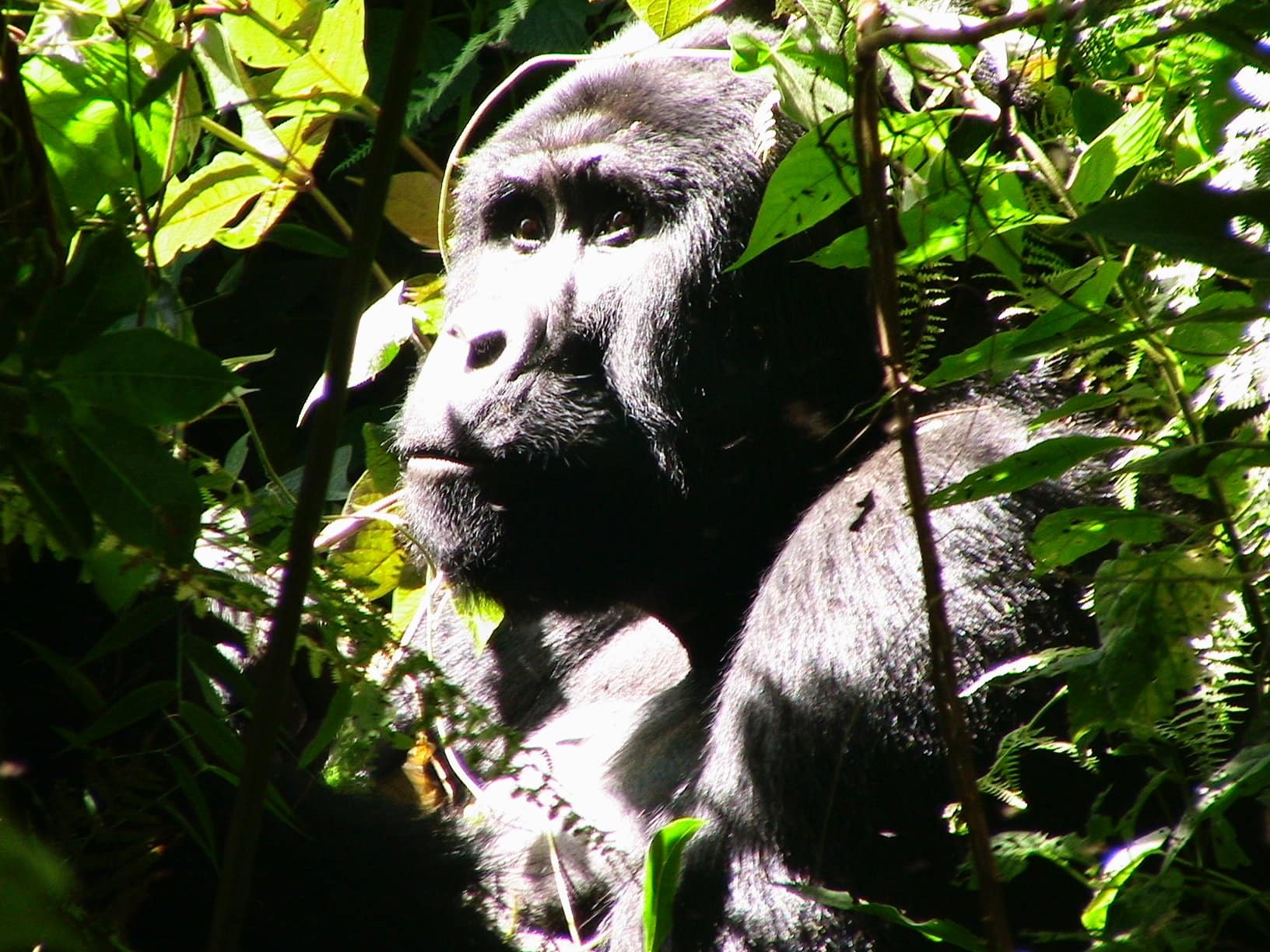
The May cover story in Outside magazine is my interview with Anderson Cooper of CNN. We talk about travel, Marlene Dietrich, clandestine hook-ups (of the journalistic kind, people!), the siege of Sarajevo, and the difference between gorillas and guerrillas. Coming soon in PDF.

THE BATTLE OF IDEAS

[download PDF]

In Harper’s (May 2008), a chronicle of the secret opposition within Cuba, during the tense and dangerous era of Raúl Castro. For two weeks, I traveled the length of the island to meet human rights activists, democracy advocates, and librarians, some of them freshly released from jail. I even managed to throw in a murder and some drinks at Hemingway’s old bar. And yes, I took the photos.

RED IS THE NEW GREEN

Published in Outside (March 2008), this is the story of Cuba’s environmental record, a mix of enlightened policy, accidental success, brown disaster, and young environmentalists getting beaten by the police. The story runs from Moa Bay, the most remote town in Cuba, where a vast Soviet nickel refinery is poisoning thousands, to the pure waters and healthy coral reefs I found down inside the Cayman Trench, off Cuba’s westernmost coast. I interview the “ecopacifists,” Cuban greens who live amid decaying slums and under plumes of pollution, and who vehemently reject the Castro government’s claim to have fathered an environmental paradise. I get mugged. I even took some of the photos.

Boys From Dolores

November 9th, 2007

Full Moon Rave

They ran out of nice:

“Atmospheric, richly evocative…a masterly account…a rich, personal, meticulous, deeply layered work of narrative journalism…splendid…brilliantly hued…humorous and wise…luxuriously researched…brings us a ground truth, apolitical in the best sense, with a great depth of vision…superb…”

– New York Times Book Review

symmesdolores.jpg


The Boys from Dolores: Fidel Castro’s Classmates from Revolution to Exile

Symmes, whose Chasing Che retraced Che Guevara’s transformational 1952 motorcycle trip through Latin America, writes a history of the Cuban revolution that also explores the qualities that define what it is to be Cuban. He draws on his own visits and extended stays in Cuba, and the half-century-old memories of a group of formerly privileged boys, now mostly exiled, who along with Castro attended Dolores, a Jesuit school that until the revolution, educated Cuba’s elites. The Dolores alumni speak poignantly of prerevolutionary Cuba and the necessary revolution in which many participated. Equally poignant are their descriptions of events as the revolution lurched toward socialism and repression, events that led them to self-imposed exile. The memories of several expats who were part of the Bay of Pigs fiasco make compelling reading. To the Dolores alumni the Holy Grail is a Cuba without Castro, but Symmes, whose picture of Castro is unsympathetic in the extreme, nonetheless worries that a Castro-less Cuba will, without remorse, leave its poor bereft and evolve into a society that is more free but less just. Symmes’s writing is lyrical and evocative; his powerful and complex picture of Cuba and the exile community is well worth reading. -Publishers Weekly

Press Quotes

“An atmospheric, richly evocative history of modern Cuba… Symmes digs like a reporter and writes like a novelist.”

– The New York Times

“Brilliant.”

– The Washington Post

“Arresting, idiosyncratic, and utterly engaging.”

– The Times of London

“Ambitious, insightful and sobering….”

– The Independent (UK)

Buy the book: US | UK

Chasing Che

November 9th, 2007

Che

Chasing Che

A Motorcyle Journey Through the Guevara Legend


In 1952, a 17-year-old, prerevolutionary Che Guevara lit out with a friend on a motorcycle trip through Latin America. It was, as he wrote in his Motorcycle Diaries, a journey that would shape his attitudes toward politics, people and revolutions. Symmes, a freelance travel writer, traversed the same route in 1996, with entertaining and illuminating results. Fluidly moving between the past and the present, he tosses out observations about Che’s expedition while chronicling his own adventures. In Argentina, Symmes encounters a defensive German who insists he is not a Nazi; in Chile he visits a utopian settlement founded by a wealthy and radical environmentalist; in Peru he visits a leper colony, the same one Che visited in 1952. Refreshingly, Symmes avoids digressions of self-discovery, instead letting his book serve as a primer for recent Latin American history and his own take on the region. Symmes’s prose, like the Latin America he writes about, is spotted with gems. He says pointedly, “The funny thing about a dictatorship: it was great for culture. If there was one sure way Pinochet could support poetry, it was by staging a military coup.” Unsentimental and funny, this book combines the spiritedness of a gonzo journalist with a serious reporter’s sense of purpose. First serial rights to Talk magazine. -Publishers Weekly

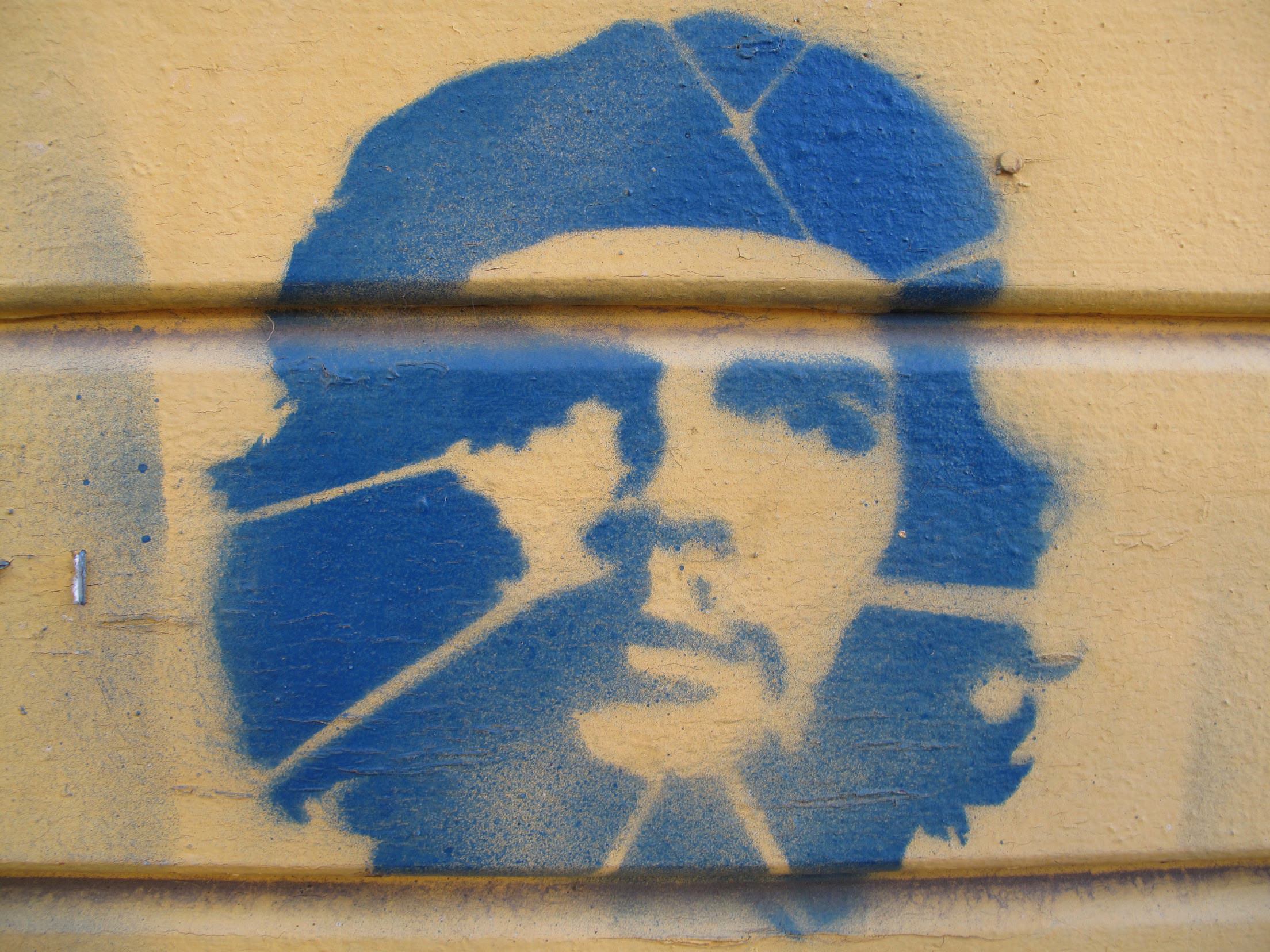
Despite the thoughtless Che propaganda, this “sweet spot” site lists many of the best Guevara links on the web.

Download my interview with Terry Gross on Fresh Air | on WAMU with Kojo Nnamdi

Don’t miss the BMW R-80 GS worship page

Proudly powered by WordPress.Creative Commons License